European Nations Consider World Cup Boycott Over FIFA Investment Plan
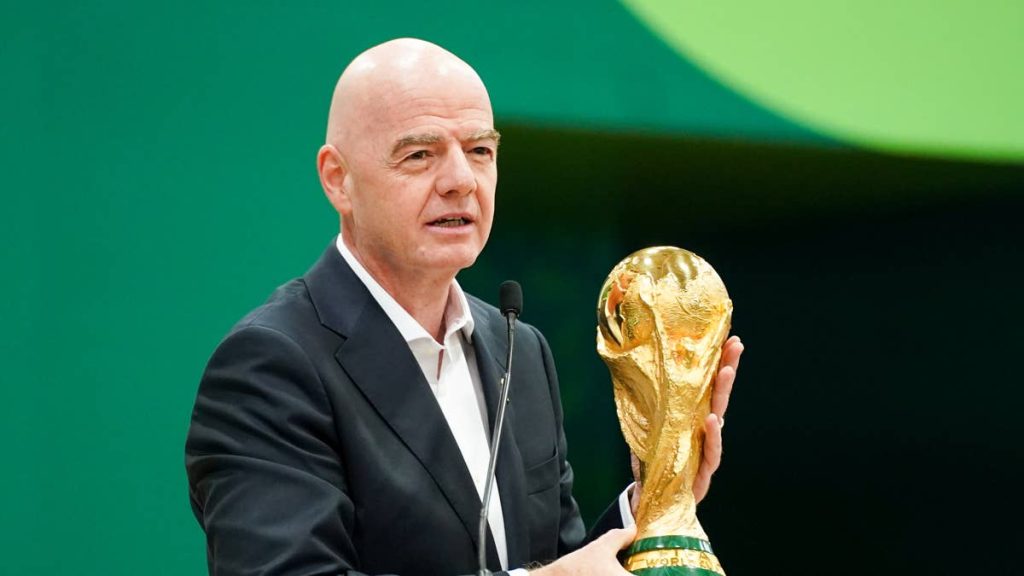
FIFA Faces Growing Opposition From European Football Leaders
A major dispute is developing in international football as European nations question FIFA’s latest commercial plans.
Several football associations are reportedly discussing a possible boycott of a future World Cup. The controversy centers on FIFA’s proposal to create a new commercial company and sell a minority stake to private investors.
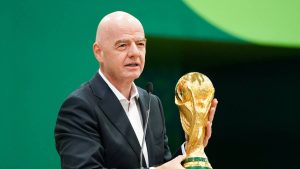
FIFA President Gianni Infantino has backed the plan, which could value the new entity at around $20 billion. Supporters believe the move could generate more revenue for football development worldwide.
However, critics fear the proposal could change how FIFA manages one of the biggest sporting events on the planet.
The Proposal Behind the World Cup Dispute
FIFA wants to create a separate commercial operation connected to its competitions. The company would manage valuable business opportunities linked to events such as the World Cup.
Private investors could purchase a minority share in the company. FIFA says it would keep control over football decisions, tournament rules, and governance.
The organization argues that new investment could provide more funding for football programs. FIFA also says national associations could benefit from increased financial support.
Opponents remain concerned about the long-term effects of allowing outside investors to influence World Cup-related business.
European Officials Raise Concerns Over Transparency
UEFA and several national football associations have questioned FIFA’s approach.
European leaders argue that FIFA introduced the plan without enough consultation. They want more details about the structure, financial agreements, and possible consequences.
Some officials worry that investors could prioritize profits over football’s traditional values. They believe decisions about the sport should focus on players, supporters, and national teams.
UEFA has reportedly scheduled discussions with its members to review possible responses. A World Cup boycott remains one option under consideration.
How Realistic Is a World Cup Boycott?
No European country has officially announced a decision to skip a future World Cup.
The boycott discussion represents pressure on FIFA rather than a confirmed action. European teams remain among the most successful and popular participants in the tournament.
A coordinated withdrawal would create a major challenge for FIFA. Many of the competition’s strongest teams come from Europe, including former champions and regular contenders.
A boycott could also affect broadcasters, sponsors, and millions of fans around the world.
FIFA Defends Its Plans
FIFA continues to defend the proposed investment strategy.
The organization says outside investors would only receive a minority stake. FIFA insists that the sport’s governing structure would remain unchanged.
Officials also argue that additional revenue could help smaller football nations improve facilities, training programs, and youth development.
FIFA believes the proposal could strengthen the sport financially while allowing more countries to benefit from global football income.
A Wider Debate About Football’s Future
The disagreement reflects a larger debate about money and influence in modern football.
Major tournaments have become increasingly valuable. Broadcasting deals, sponsorship agreements, and commercial partnerships now generate billions of dollars.
Many football supporters welcome investment but worry about excessive commercialization. They want financial growth without losing the traditions that make the sport popular.
The FIFA proposal has renewed questions about who should control football’s biggest events and how revenue should be distributed.
The Next Steps for FIFA and UEFA
The coming weeks could determine whether FIFA changes its approach or continues with the investment plan.
European associations will likely examine the proposal closely before making any final decisions. FIFA must convince critics that the plan benefits football rather than outside investors.
For now, a World Cup boycott remains only a possibility. However, the disagreement has highlighted growing tensions between FIFA and European football leaders.
The outcome could influence how international football manages money, partnerships, and tournament ownership in the future.