Why Gas Prices Aren’t Dropping Faster Despite Lower Oil Prices
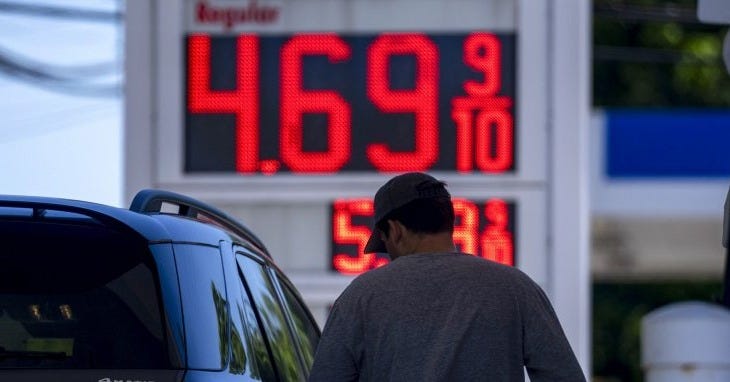
Why Gas Prices Aren’t Falling as Quickly as Oil Prices
Many drivers are wondering why gasoline prices have not dropped faster despite a decline in crude oil prices. While oil markets can change quickly, the price consumers see at the pump usually takes longer to adjust.
The main reason is that crude oil is only one part of the overall cost of gasoline. The price at the pump also includes refining costs, transportation expenses, distribution, taxes, and other factors that influence the final price consumers pay.
When crude oil prices fall, the savings do not immediately reach gas stations. Refineries may still be processing oil that was purchased when prices were higher, and existing fuel supplies can continue to reflect previous market conditions. It often takes time for lower costs to move through the entire supply chain.
Refining costs also play a major role in gasoline prices. Even when crude oil becomes cheaper, expenses related to turning oil into usable fuel can remain high. Refinery maintenance, limited production capacity, and regional fuel requirements can all slow down price reductions.
Gas prices also tend to react differently when prices rise compared to when they fall. Increases are often passed on quickly, while decreases usually happen more gradually. This is why consumers often notice fuel prices rising faster than they decline.
Taxes, transportation costs, and local market conditions are additional reasons why gasoline prices may not fall at the same rate as oil prices. Different regions can experience different price changes depending on supply levels, competition among gas stations, and local expenses.
Gas station operators also adjust prices based on their own costs and local demand. Even if wholesale fuel prices decline, businesses may take time to lower prices as they account for inventory and changing market conditions.
Although lower oil prices can eventually lead to cheaper gasoline, the effect is usually delayed. Drivers may need to wait before seeing significant savings because the fuel industry operates through several stages before changes reach the pump.
For consumers hoping for relief from high fuel costs, declining oil prices are a positive sign. However, the connection between crude oil prices and gasoline prices is more complicated than a simple one-to-one relationship.